
Selected Figures
The figures presented here are drawn from a larger comparative field study examining sacred architecture, iconography, and institutional continuity across Germany, Albania, Kosovo, and North Macedonia. Each figure is cited to its primary analytical mode and section within the comparative field study, enabling direct visual-reference alignment with the written analysis.
Germany
Figures 3, 5 — From Comparative Architectural and Iconographic Field Study: Germany, Albania, Kosovo, and North Macedonia.
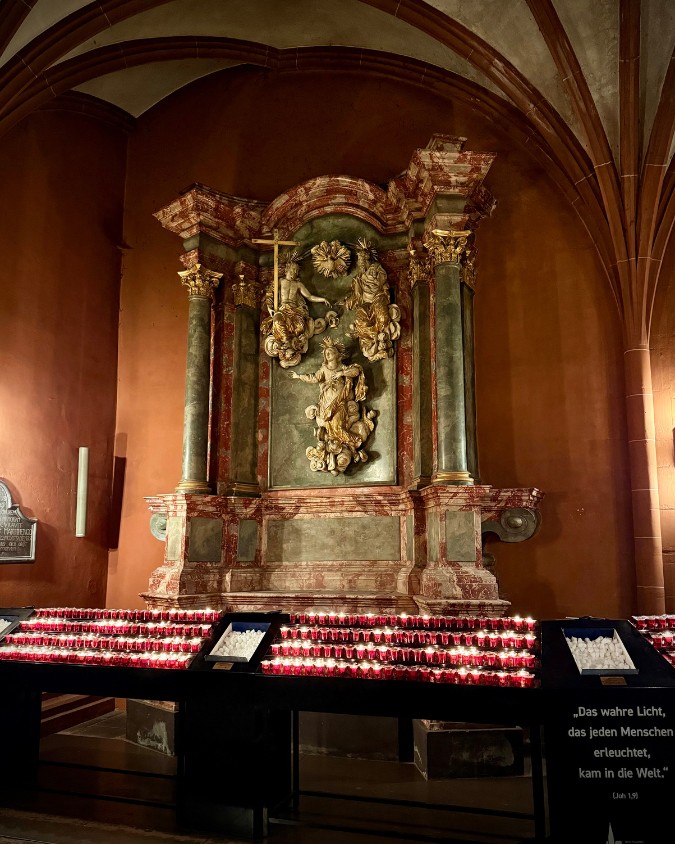
Figure 3. Side Altar with Votive Candles, Cathedral of St. Bartholomew, Frankfurt. Featuring sculptural reliefs and votive candles, reflecting continued devotional practice within a medieval Gothic space.
Referenced in Mode 1: Institutional Continuity — “Monumentality and Civic Integration.”
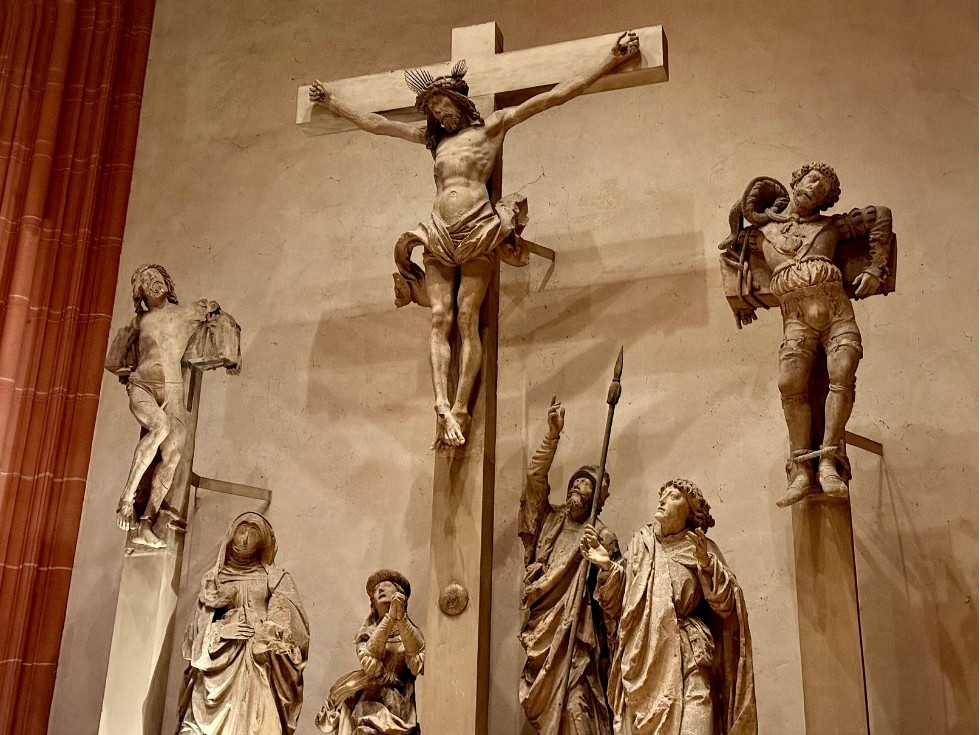
Figure 5. Crucifixion Group (Calvary Scene), Cathedral of St. Bartholomew, Frankfurt. Late medieval sculptural ensemble depicting the Crucifixion, emphasizing vertical hierarchy, corporeal suffering, and communal witness within a civic-liturgical context.
Referenced in Mode 1: Institutional Continuity — “Monumentality and Civic Integration.”
Kosovo
Figures 9, 10 — From Comparative Architectural and Iconographic Field Study: Germany, Albania, Kosovo, and North Macedonia.
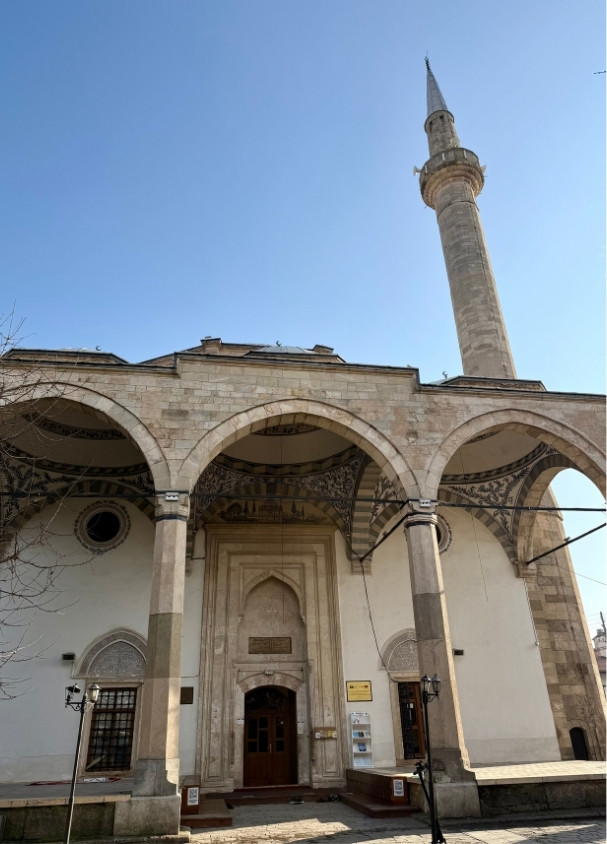
Figure 9. Exterior View of the Mosque and Minaret, Ibrahim Lutfiu Road, Pristina, Kosovo. Ottoman-era mosque adjacent to the Islamic Council of Kosovo, characterized by a single minaret, arched portico, and restrained stone construction.
Referenced in Mode 3: Sacred Space and Political Disruption — “Continuity After Suppression.”
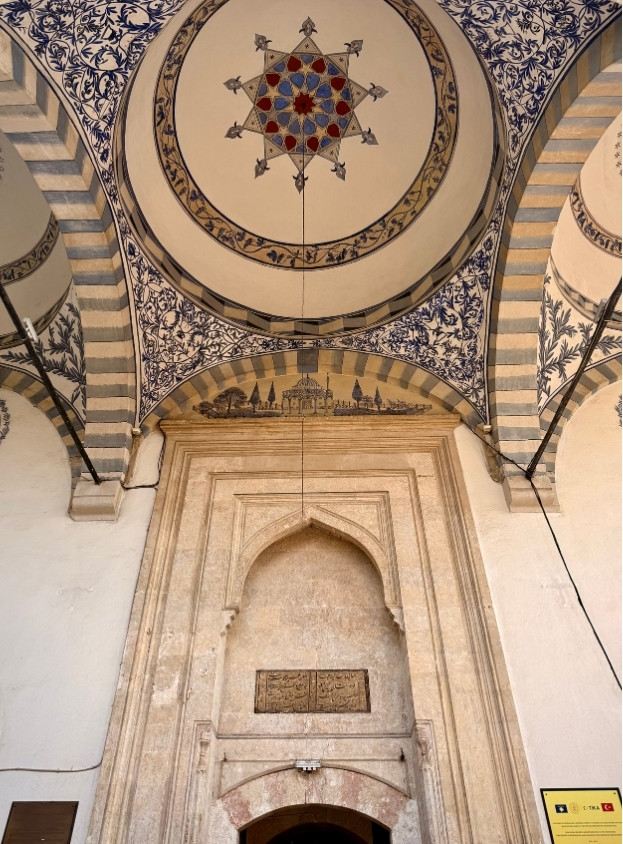
Figure 10. Entrance Portal and Muqarnas-Influenced Arch, Ibrahim Lutfiu Road, Pristina, Kosovo. Main entrance framed by a pointed arch and shallow decorative relief, transitioning visitors from the civic exterior into sacred space.
Referenced in Mode 3: Sacred Space and Political Disruption — “Thresholds, Restoration, and Religious Reemergence.”
North Macedonia
Figures 13, 17 — From Comparative Architectural and Iconographic Field Study: Germany, Albania, Kosovo, and North Macedonia.
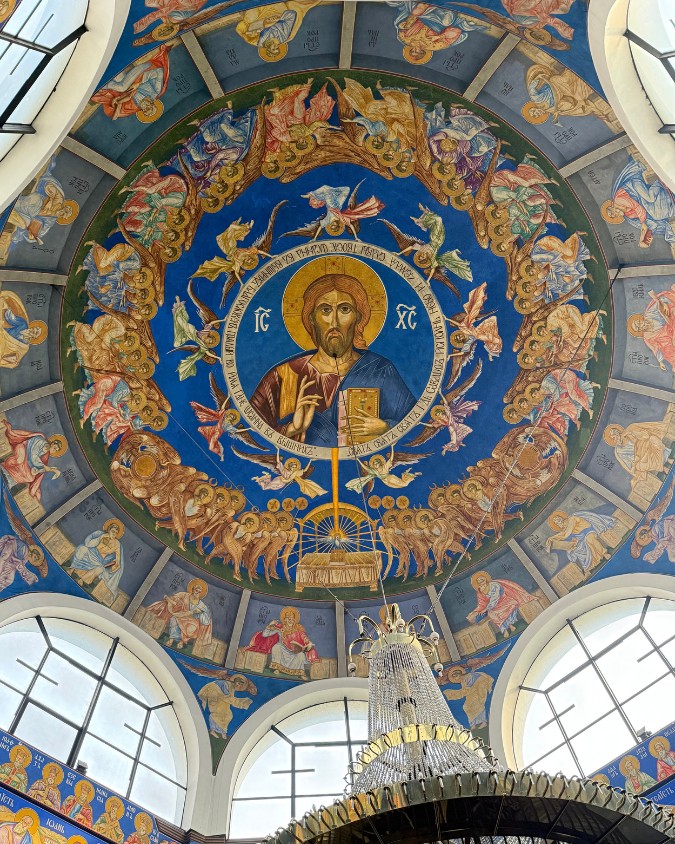
Figure 13. Dome Interior with Christ Pantocrator, Church of Saint Clement of Ohrid,Skopje, North Macedonia. Rendered in the canonical Byzantine iconographic style.
Referenced in Mode 2: Iconographic Continuity — “Persistence of Orthodox Visual Language.”
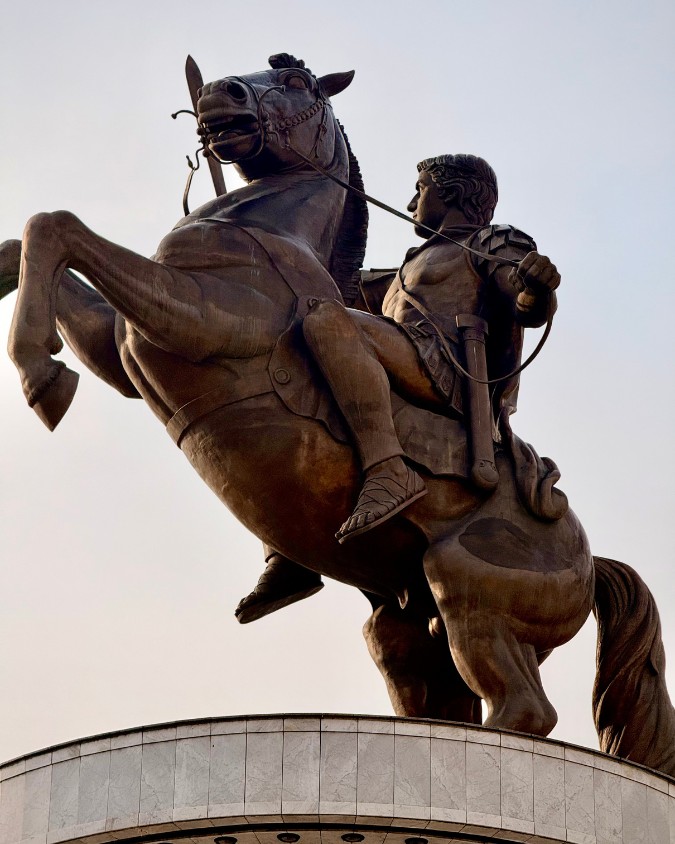
Figure 17. “Warrior on a Horse” Equestrian Monument, Macedonia Square, Skopje. Commonly associated with Alexander the Great, installed as a focal point of Macedonia Square.
Referenced in Mode 4: National Reinscription — “Mythic Historicization and Monumental Identity.”
Albania
Figures 25, 29 — From Comparative Architectural and Iconographic Field Study: Germany, Albania, Kosovo, and North Macedonia.
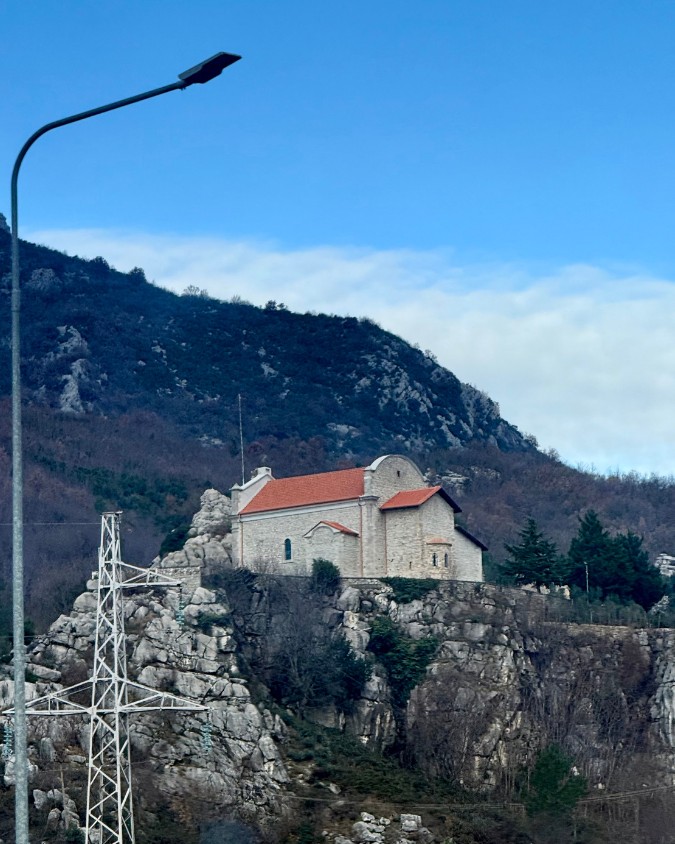
Figure 25. Kisha e Manastirit të Rubikut (Church of the Rubik Monastery), Rubik, Northern Albania. Its isolation and elevation reflect both spiritual aspiration and historical necessity.
Referenced in Mode 1: Institutional Continuity — “Peripheral Sacred Persistence.”
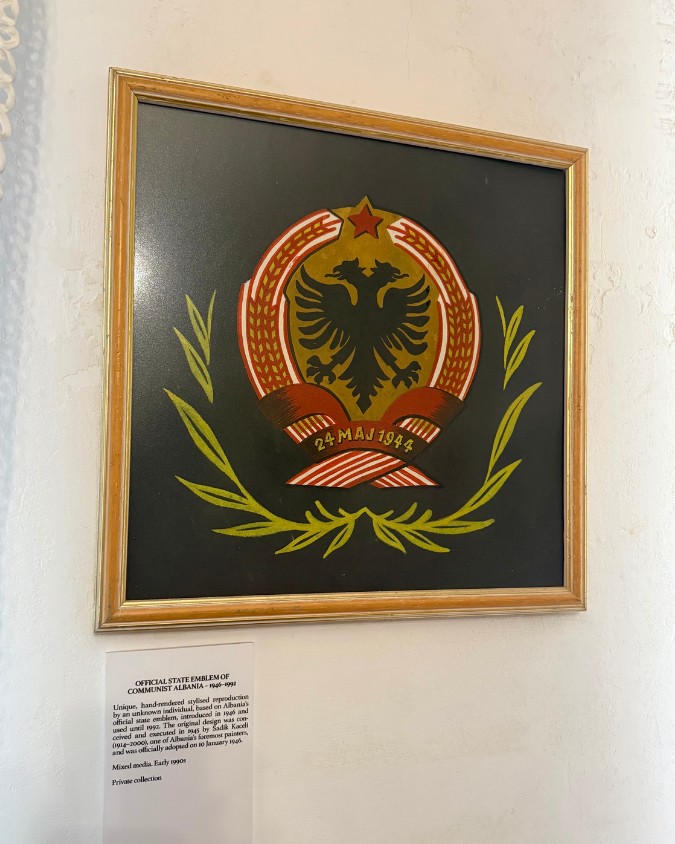
Figure 29. Official State Emblem of Communist Albania (1946–1992), hand-rendered reproduction, mixed media. Displayed in a restaurant near Skanderbeg Square, Tirana, Albania.
Referenced in Mode 4: National Reinscription — “Ideological Replacement of Sacred Authority.”
Source Study
Comparative Architectural and Iconographic Field Study: Germany, Albania, Kosovo, and North Macedonia.
Independent field research conducted by Heritage Study, 2025.
On-site documentation, spatial analysis, and iconographic comparison.
Institutional Access
Institutions, archives, and research organizations interested in access to the complete field study, extended visual documentation, or methodological materials may request access for academic or curatorial review.
Sacred Architecture · Iconography · Cultural Memory
Contact
[email protected]
Status
Independent Research Project
Open to institutional collaboration
© 2026 Heritage Study. All rights reserved.
This project documents publicly accessible sites and artifacts for research and educational purposes.